Physical Address
304 North Cardinal St.
Dorchester Center, MA 02124
Physical Address
304 North Cardinal St.
Dorchester Center, MA 02124
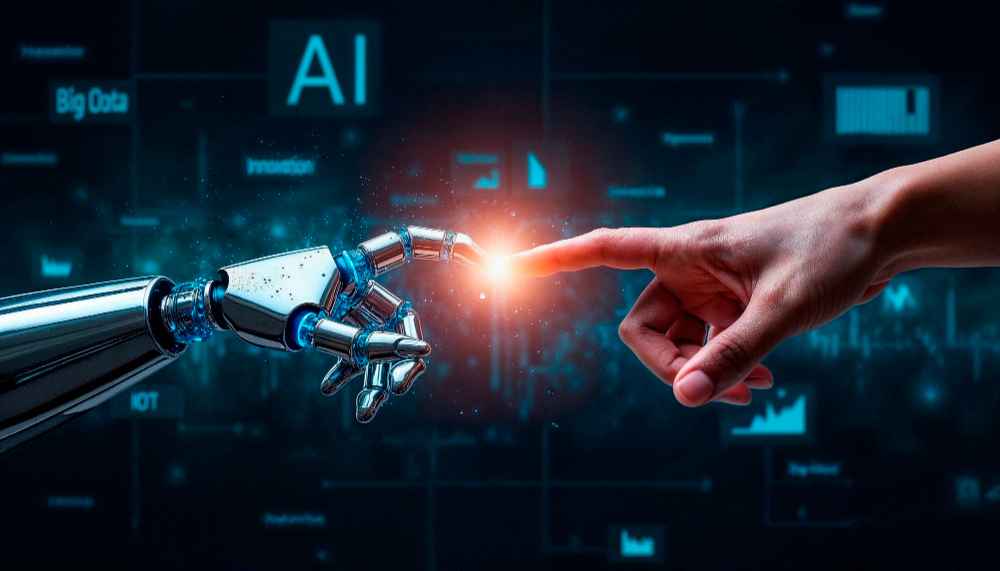
Artificial Intelligence (AI) and Machine Learning (ML) have become deeply integrated into our everyday lives. From chatbots to recommendation engines and almost every digital solution we use today, AI and ML have become essential components, no matter how or where they are applied.
In today’s competitive world, students—especially those who are pursuing or planning to pursue BCA or MCA programs—must develop strong knowledge of these technologies. These skills are now among the most important qualifications for becoming successful professionals in the digital era.
However, with hundreds of frameworks, libraries, and platforms available, many students are confused about what they should actually learn. The big question is: Which AI and ML tools are truly essential?
In this guide, you will learn about the best AI tools for students, beginner-friendly ML software, and powerful open-source platforms that can help you build real-world skills.
Before we explore the list of tools, let’s understand the basics.
AI tools are software and platforms that enable machines to perform intelligent tasks such as automation, natural language processing, image recognition, and decision-making.
Examples include ChatGPT APIs, Cursor AI, and IBM Watson.
ML tools are used to build, train, test, and deploy machine learning models using data. These include frameworks and libraries that help with predictions, pattern detection, and analytics.
Popular examples are Scikit-learn, TensorFlow, and PyTorch.